

IN THIS BI-WEEKLY ISSUE
🏥 Start with the Capability, Not the Equipment
🆒 When Staff Changes, the Pack-Out Shouldn’t
⌛ Expand Care Without Rebuilding the Response
🦺 Put the Right Supplies Together Before Deployment
NEWS • RESOURCES • TIPS
START WITH THE CAPABILITY, NOT THE EQUIPMENT

Build the Case Before You Buy
A surge exercise exposes a gap: additional treatment space can open, but supplies are scattered and staff must rebuild stations before care can expand. That is where equipment conversations often begin. HPP planning works better when the capability gap comes first.
A strong HPP equipment request connects the operational need to the preparedness plan, explains why the investment is necessary, confirms the funding path, and addresses implementation and sustainment before procurement starts. Our latest article walks through that sequence and the questions agencies should answer before requesting a quote.
COLD CHAIN & EMERGENCY PREPAREDNESS
COOL CUBE™ SPOTLIGHT
When Staff Changes, the Packout Shouldn’t
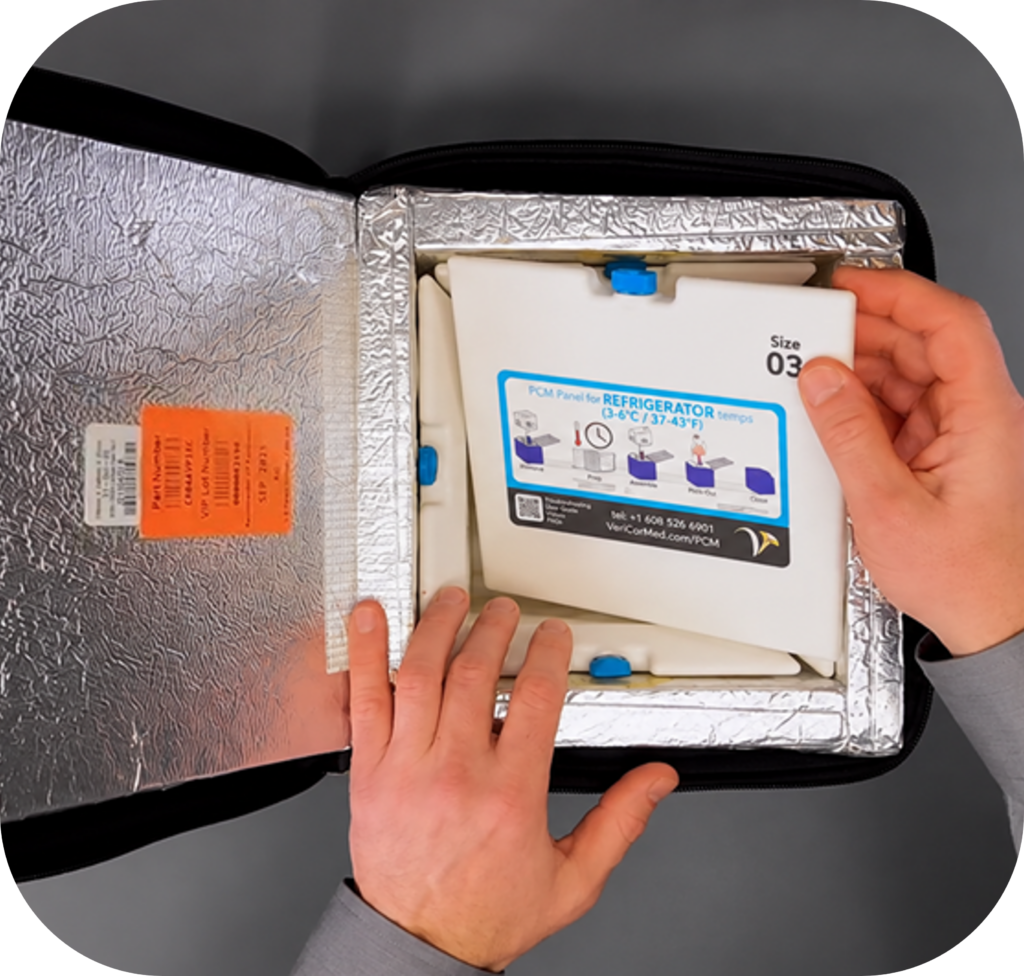
Field clinics, outreach events, and emergency operations often put different staff members in charge of the same cooler. When each person prepares it differently, temperature-control consistency becomes harder to maintain.
Cool Cube™ uses simple, repeatable pack-out configurations so teams prepare the complete system the same way each time. Standardized procedures reduce guesswork, simplify staff preparation, and keep transport consistency intact when personnel, schedules, or operating locations change.
RESPONSE-FRIENDLY™ ALTERNATIVE CARE SITE SYSTEM
Expand Care Without Rebuilding the Response
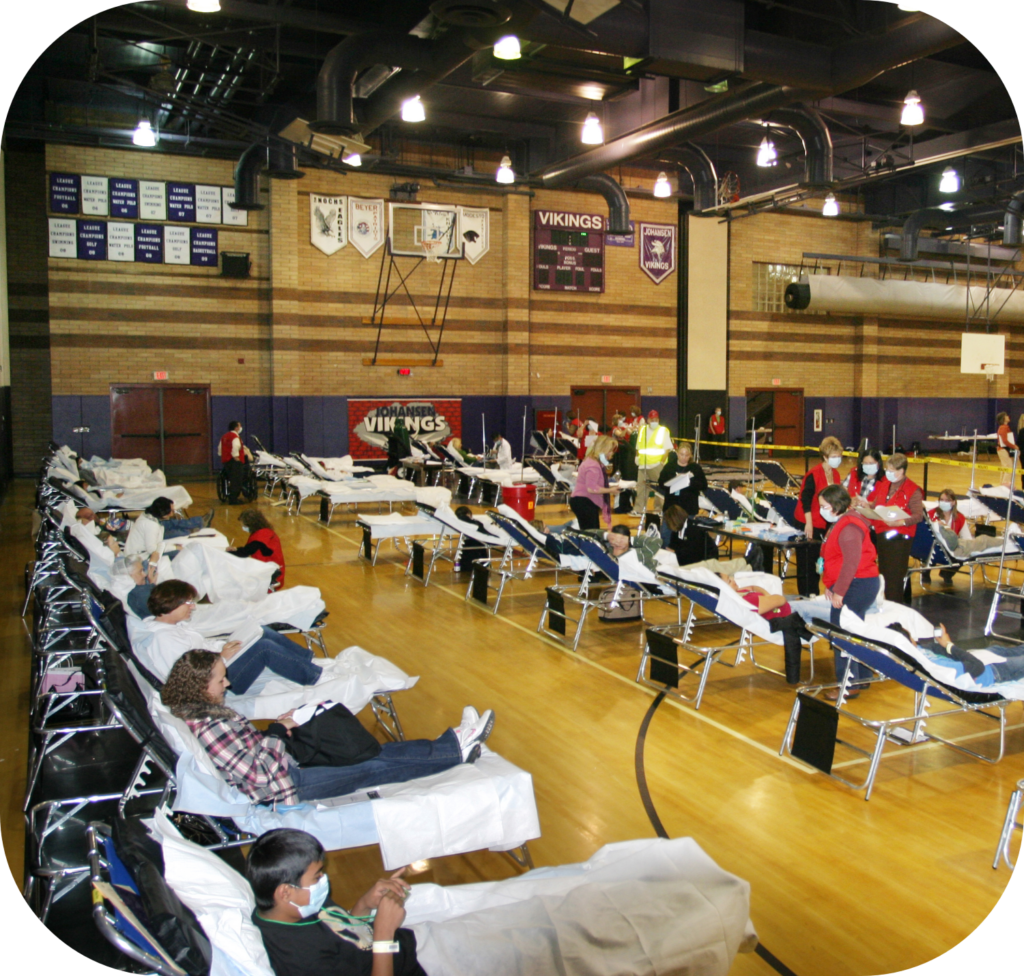
A patient surge fills normal treatment space and overflow plans move care into another area. If staff still have to gather resources from multiple locations and assemble the setup from scratch, expansion exists on paper before it exists in practice.
The Response-Friendly™ Alternate Care Site System organizes temporary care expansion into modular configurations for surge and overflow operations. Resources stay organized by function, giving personnel a structured system they can move into use, scale as demand changes, and maintain between activations.
RESPONSE-FRIENDLY™ MEDKITS
Put the Right Supplies Together Before Deployment
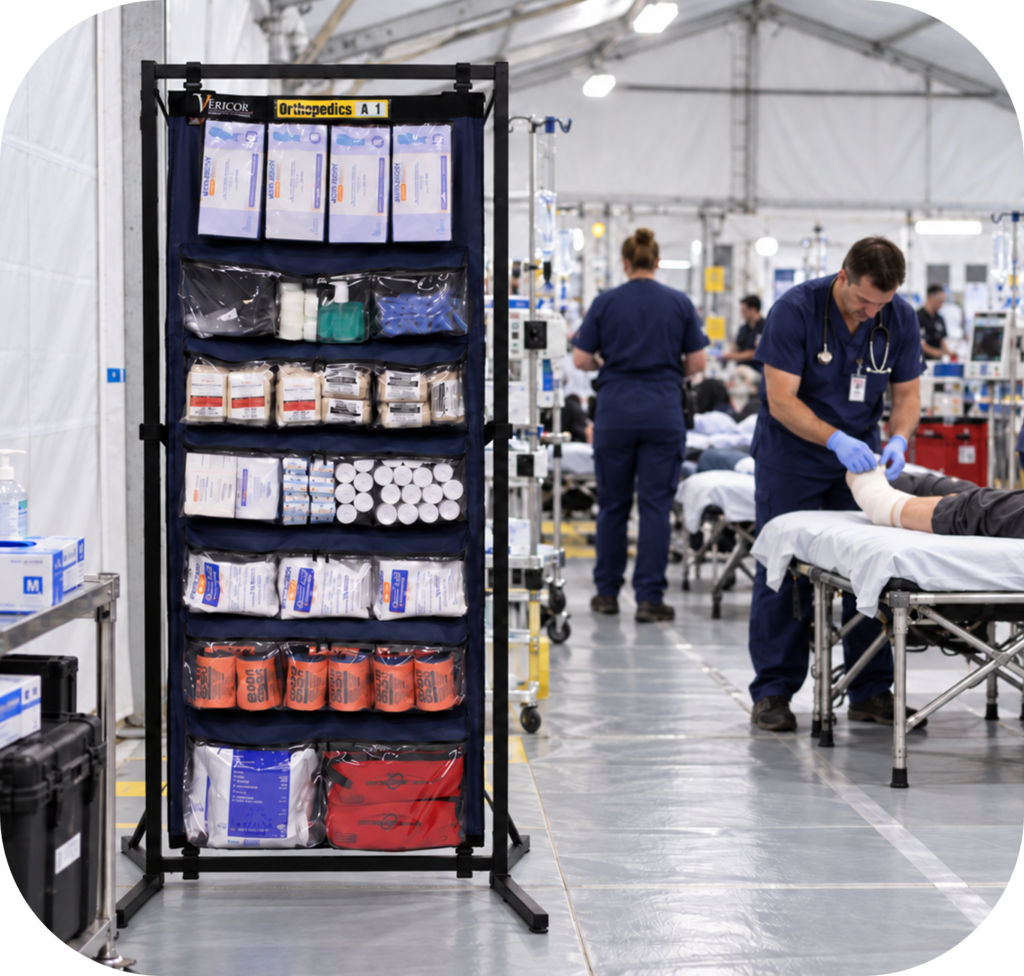
When a responder needs supplies for a specific medical function, the answer should not be “check several different cases.” Scattered resources cost time and reduce operational usefulness when related items are spread across a larger cache.
Response-Friendly™ MedKits group supplies into standardized modules for specific care functions, keeping related items together and easier to identify, move, and replenish. Personnel know where to look before deployment begins, and the same organization supports faster setup and more consistent readiness when the kit returns to storage.


