


IN THIS BI-WEEKLY ISSUE
🏥 Mid-Year Readiness Checkpoint
🆒 Proper Preparation Drives Cold Chain Success
⌛ Keeping Systems Ready Over Time
🦺 Organize Assets for Real-World Use
NEWS • RESOURCES • TIPS
MID-YEAR READINESS CHECKPOINT
Gaps Often Appear Before Summer Demand
Late spring is when preparedness plans meet real use. Systems come out of storage, vaccination activity increases, and teams begin preparing for higher demand. This is when gaps surface.
Supplies may be incomplete, expired items go unnoticed, or systems lack structure for quick use. What looks ready on paper does not always perform in the field.
Review supplies now to help avoid disruptions later!
COLD CHAIN & EMERGENCY PREPAREDNESS
COOL CUBE™ SPOTLIGHT
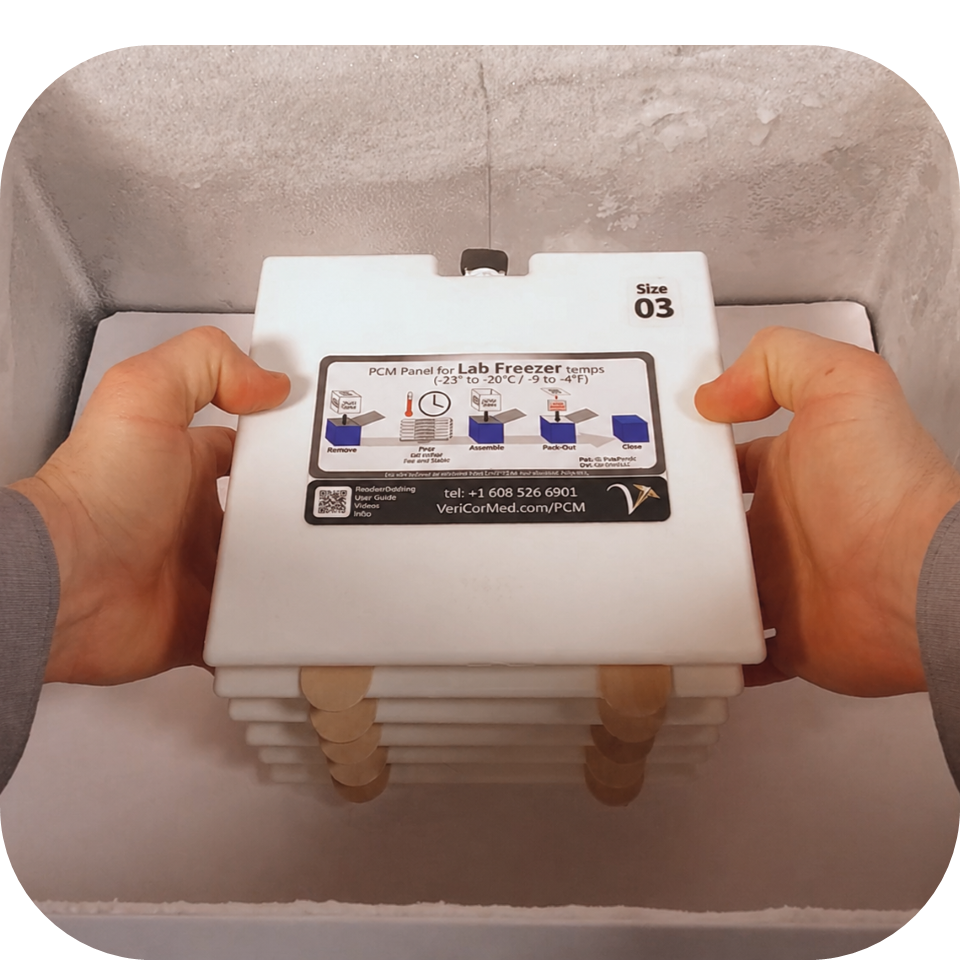
Proper Preparation Drives Cold Chain Success
Cold chain issues frequently start before transport begins. Inconsistent panel preparation and handling can impact temperature stability before materials even leave the facility.
The Cool Cube™ is a passive temperature-controlled medical cooler that maintains required ranges for days when properly prepared. The Cool Cube™ removes reliance on ice and powered systems.
When preparation is consistent, performance becomes predictable in real conditions.
KEEPING SYSTEMS READY OVER TIME
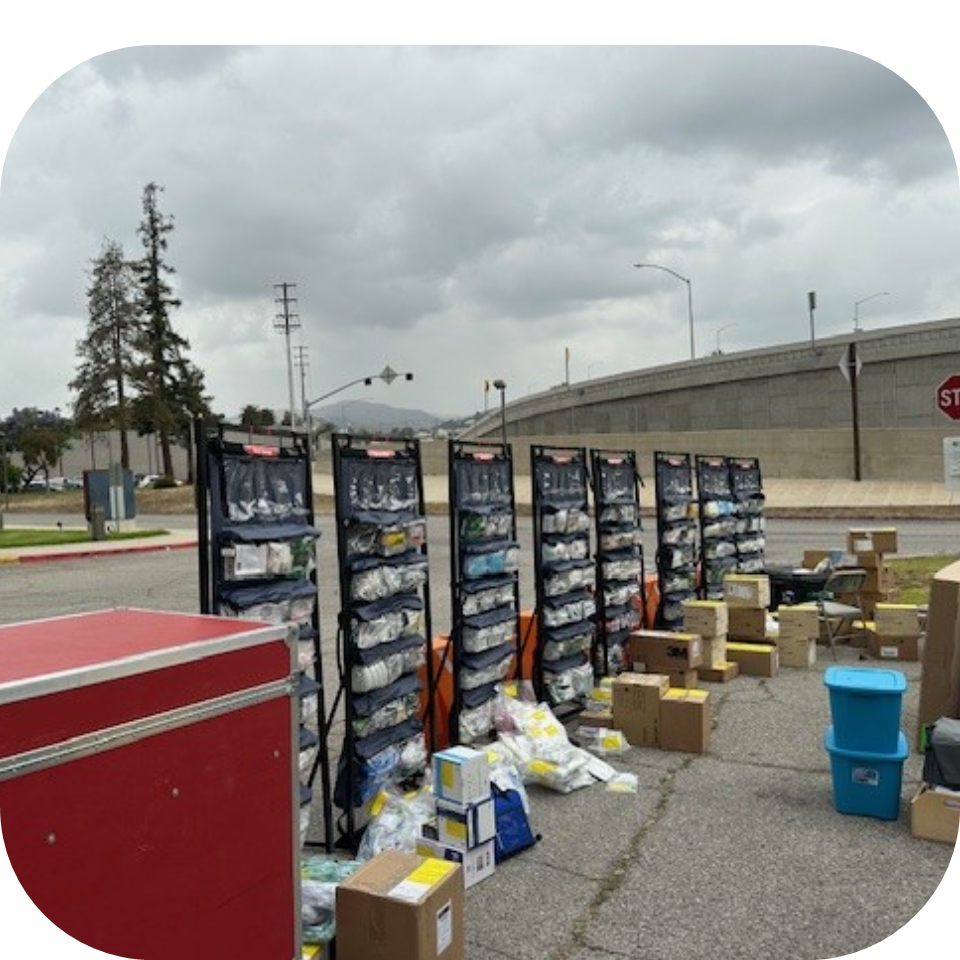
Replace Expired Supplies Without Extra Work
Preparedness systems require ongoing maintenance to stay usable. Supplies expire, quantities shift, and organization can break down over time.
VeriCor’s Replenishment Service replaces expired items, restores completeness, and updates system documentation. This helps maintain readiness without adding internal workload, so systems remain organized and usable when needed.
Image: VeriCor’s Replenishment Service in action in Los Angeles, California.
TURN STORED SUPPLIES INTO SYSTEMS
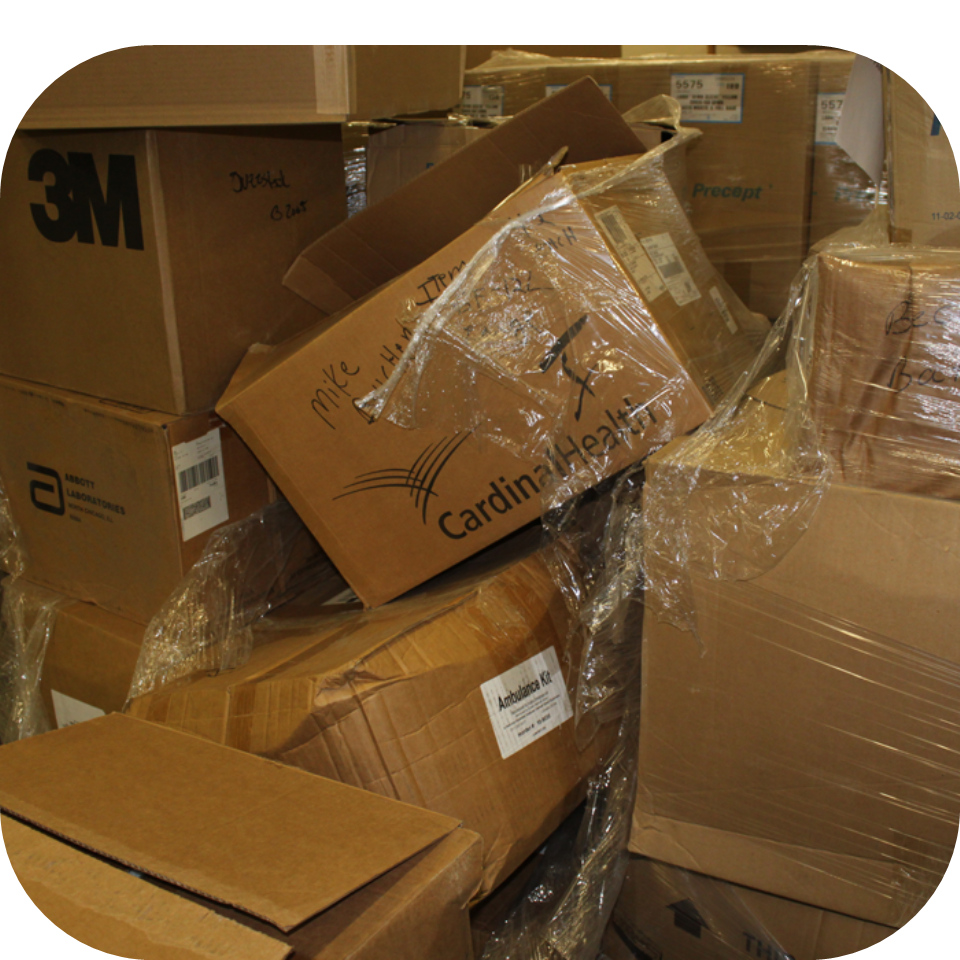
Organize Assets for Real-World Use
Stored supplies are difficult to use in real-world conditions. Items may be unorganized, outdated, or not aligned to workflows.
VeriCor’s Cache Conversion inventories, inspects, and reorganizes supplies into labeled, mobile configurations. This improves usability, reduces waste, and creates a structured system that is easier to store, manage, and use.


