

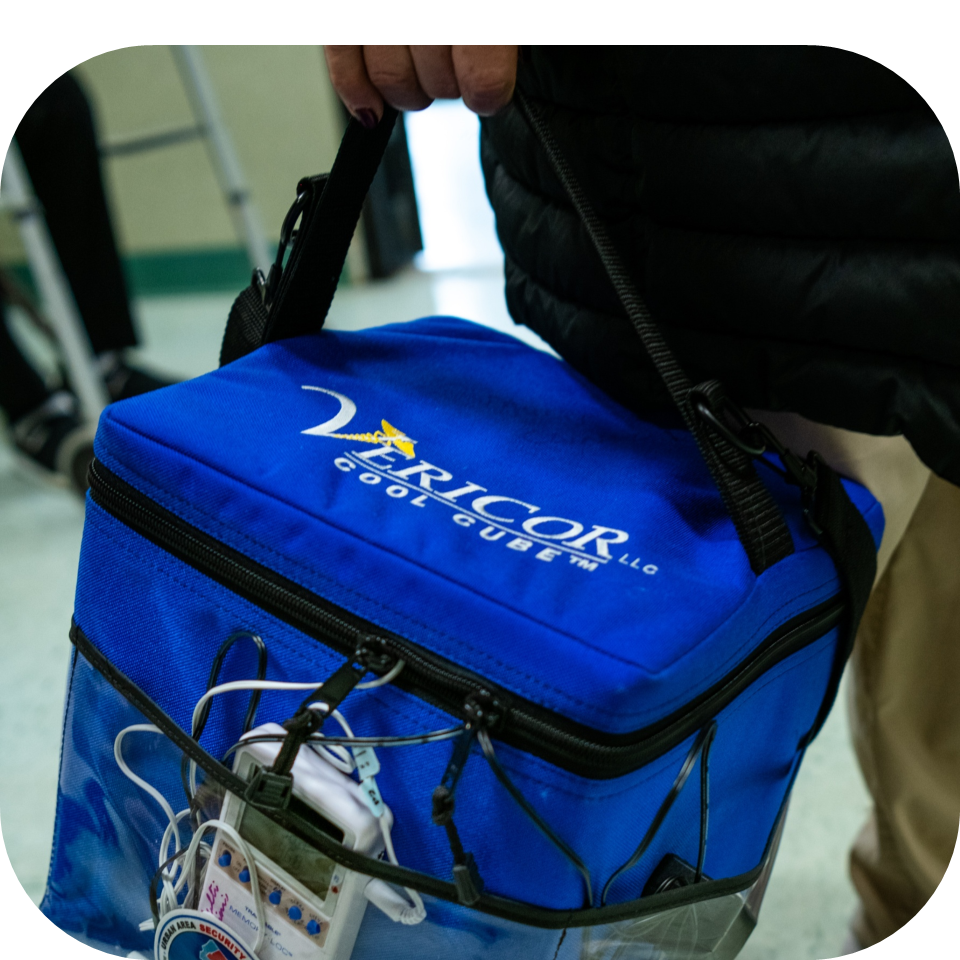

How to Protect Vaccines, Specimens, Blood Products, and Medications During Transport
Every temperature-sensitive transport operation carries more than its contents.
Whether you’re transporting vaccines to a community clinic, laboratory specimens to a reference laboratory, blood products to a hospital, or medications between healthcare facilities, maintaining the required temperature throughout transport is essential to preserving product integrity.
A temperature excursion can delay patient care, require specimen recollection, reduce vaccine effectiveness, increase costs, and create additional documentation or product evaluation before materials can be used.¹ ²
Reliability comes from a repeatable process, not perfect packing.
Organizations that consistently protect temperature-sensitive products standardize how materials are prepared, transported, monitored, and received. The fewer variables involved in each transport process, the more predictable the outcome.
This guide explains the principles behind reliable cold chain transport, identifies the most common causes of temperature excursions, and explores why reducing process variability strengthens transport confidence.
What Is Cold Chain Transport?
Cold chain transport is the process of maintaining a required temperature range while temperature-sensitive healthcare products move between locations.
The cold chain begins when products leave controlled storage and continues through packaging, transportation, delivery, and receipt. Maintaining the required temperature throughout this process preserves product quality, safety, and effectiveness.¹ ³
Cold chain transport supports many healthcare operations, including:
- Vaccines and immunizations
- Laboratory specimens
- Blood and blood components
- Medications
- Biologics
- Diagnostic reagents
- Clinical trial materials
Every product has its own required storage and transport conditions, and consistency from departure through delivery matters more than raw cold.
Why Cold Chain Transport Matters
Every transport operation supports a critical healthcare mission.
Vaccines protect communities from preventable disease. Laboratory specimens provide the diagnostic information clinicians depend on to make treatment decisions. Blood products support emergency care, surgery, and trauma response. Many specialty medications and biologics represent significant financial investment and may not be immediately replaceable if compromised.
When products move outside their required temperature range, organizations risk:
- Delayed patient care
- Repeat specimen collection
- Vaccine wastage
- Additional transportation and replacement costs
- Increased documentation requirements
- Operational disruption
- Product quarantine while temperature excursions are evaluated¹ ²
During disease outbreaks, emergency response operations, disaster deployments, and mass vaccination campaigns, these consequences become even more significant because replacement inventory may not be readily available.
The Centers for Disease Control and Prevention (CDC) defines a temperature excursion as any temperature reading outside the recommended storage range for a vaccine and recommends evaluating affected products before they are used.¹
Maintaining temperature integrity protects both the transported materials and the healthcare mission they support.
Where Cold Chain Variability Begins
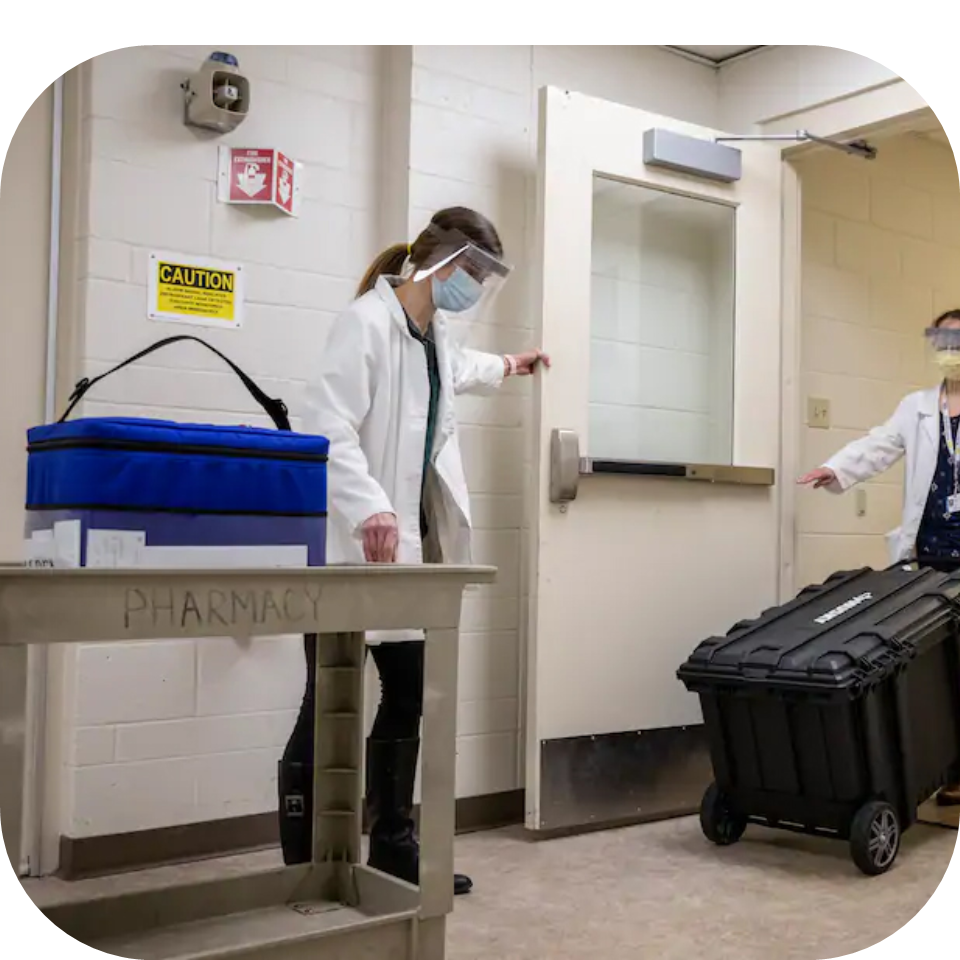
Temperature excursions rarely result from a single catastrophic failure. More often, they occur when multiple small variables combine throughout preparation and transport.
Understanding those variables helps organizations build more reliable cold chain transport processes.
Inconsistent Packing Procedures
When different personnel prepare transport containers differently, transport performance becomes less predictable. Small variations in product placement, cooling configuration, insulation, or packing sequence influence temperature stability throughout transport. Documented, standardized procedures improve consistency from one operation to the next.¹ ³
Transport Delays
Traffic congestion, weather, courier scheduling, loading delays, and receiving bottlenecks all increase the amount of time products remain outside controlled storage. Cold chain transport should perform reliably under realistic operating conditions rather than ideal travel times.
Transport Systems Not Designed for Medical Applications
Not every insulated cooler transports temperature-sensitive healthcare products effectively. Vaccines, blood products, laboratory specimens, medications, and biologics require transport systems capable of maintaining the required temperature range under expected operating conditions. Selecting equipment appropriate for medical transport strengthens consistency while reducing uncertainty.³
Limited Temperature Visibility
Without temperature monitoring, organizations have little objective evidence that products remained within the required temperature range throughout transport. Temperature monitoring strengthens quality assurance, supports investigations following unexpected events, and provides documentation when transports require evaluation.¹ ²
Traditional Cooling Methods
Many organizations continue using frozen ice packs or gel packs because they are inexpensive, familiar, and readily available. These methods work when personnel manage them correctly, but they introduce several preparation variables that must be controlled consistently every time temperature-sensitive materials are transported.
Why Traditional Ice Packs Create Temperature Risk
Ice packs have supported healthcare transport for decades. The challenge is that they rely on careful preparation and consistent execution every time a transport container is packed.
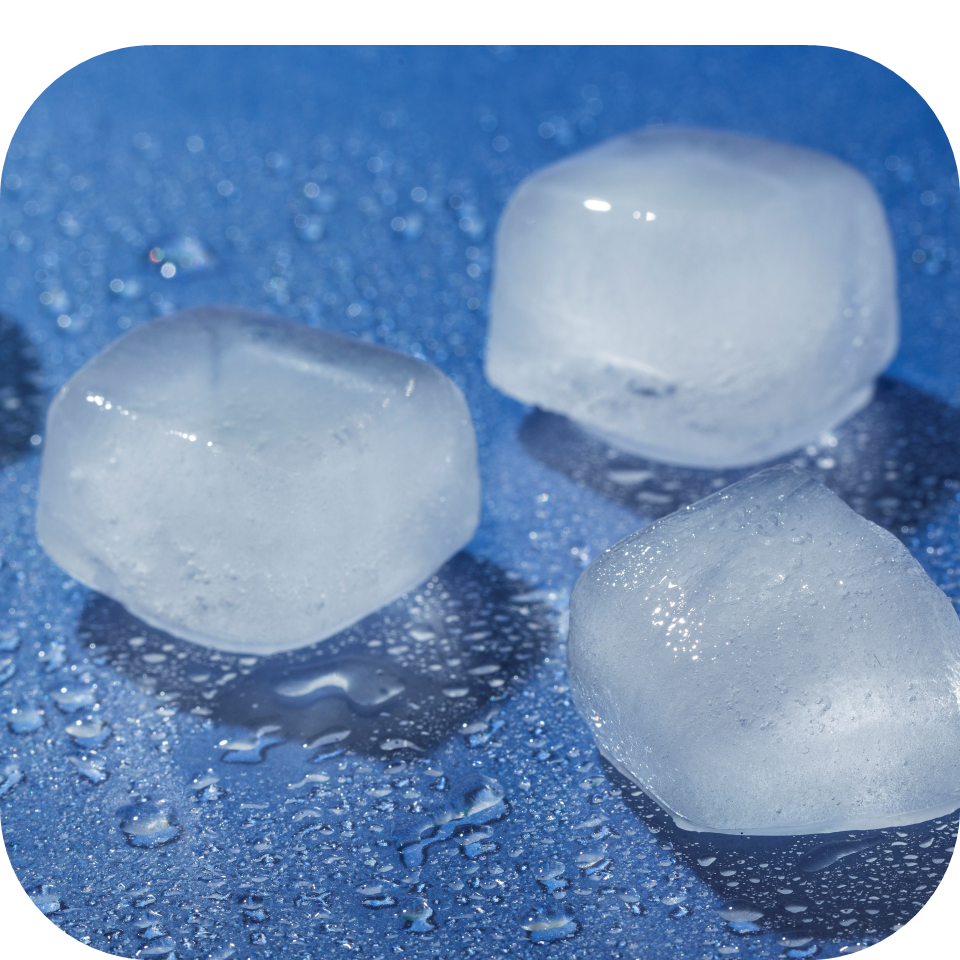
Frozen ice packs typically begin at temperatures well below the refrigerated storage range required for many vaccines and other temperature-sensitive healthcare products. If products come into direct contact with frozen cooling elements, localized freezing may occur even when the average air temperature inside the transport container appears acceptable.¹ ²
The CDC specifically warns that many liquid vaccines should never be frozen because freezing can permanently reduce their effectiveness.²
Traditional ice-pack transport also introduces multiple operational decisions that must be made correctly every time materials are transported. Personnel must confirm cooling materials are conditioned properly, arrange them consistently within the transport container, prevent direct product contact with frozen surfaces, estimate whether sufficient cooling capacity exists for the expected transport duration, and account for potential delays during transit.
Even with detailed procedures, preparation varies between employees, locations, and operations. Each additional preparation step creates another opportunity for inconsistency.
Healthcare organizations successfully transport temperature-sensitive products every day using traditional cooling methods. However, the most reliable cold chain programs focus on reducing unnecessary variability rather than simply managing it.
That shift, from relying on increasingly detailed packing techniques to building more consistent transport processes, represents one of the most important advancements in modern cold chain transport.

Building a Reliable Cold Chain Transport Process
Reliable cold chain transport is built through consistent processes, not perfect packing.
Organizations that protect temperature-sensitive products day after day rely on standardized procedures, appropriate transport systems, temperature monitoring, and continuous process improvement. These practices create repeatable results while reducing opportunities for human error.¹ ² ³
The following cold chain transport best practices strengthen temperature integrity from departure through delivery.
- Standardize Every Transport Operation
Consistency begins with a documented process. Every transport operation should follow the same preparation, loading, transport, monitoring, and receiving procedures regardless of who prepares it or where it is going.
A standardized process should define:
- How the transport system is prepared
- How products are loaded
- Temperature monitoring requirements
- Documentation requirements
- Chain-of-custody procedures
- Responsibilities during transport and receipt
Standardization improves operational consistency, simplifies training, and makes transport performance more predictable.¹ ³
- Simplify the Process
Every additional manual step introduces another opportunity for inconsistency. Traditional transport methods often require personnel to make several of the preparation decisions outlined above before a transport even leaves the facility, each one adding process complexity.
Organizations that simplify their transport procedures improve consistency while reducing preparation time, training demands, and opportunities for error.
The goal is to design a process that requires less guesswork, not to ask personnel to remember more.
- Select Equipment Designed for Healthcare Applications
Transporting temperature-sensitive healthcare products requires more than an insulated container. Vaccines, blood products, laboratory specimens, medications, and biologics all have specific temperature requirements that must be maintained throughout transport.¹ ³
When evaluating transport systems, organizations should consider:
- Required temperature range
- Expected transport duration
- Environmental conditions
- Ease of standardized packing
- Ability to support repeatable transport procedures
Choosing equipment designed for healthcare applications strengthens operational confidence before materials leave the facility.
- Validate the Entire Transport Process
Reliable transport depends on more than the container itself. Organizations should periodically evaluate the complete transport process, including:
- The transport system
- Packing procedures
- Expected transport duration
- Reasonable transportation delays
- Temperature monitoring
- Receiving procedures
Evaluating the complete process confirms that documented procedures perform consistently under real-world operating conditions rather than ideal circumstances.³
Validation transforms transport from an assumption into a documented operational capability.
- Verify Performance Through Temperature Monitoring
Temperature monitoring provides objective evidence that products remained within the required range throughout transport.
Monitoring supports:
- Product evaluation following unexpected events
- Quality assurance activities
- Process improvement
- Transport documentation
- Investigation of temperature excursions¹²
Rather than relying on assumptions, organizations make informed decisions using documented transport data.
- Train to the Process
The strongest cold chain programs rely on standardized execution rather than individual preference. Everyone responsible for preparing, transporting, receiving, or documenting transports should understand the organization’s procedures and perform them consistently.
Routine training maintains consistency as personnel responsibilities change and reinforces best practices across the organization.¹ ³
Consistent training supports consistent transport performance.
Common Sources of Transport Variability
The variables covered above, inconsistent packing, delays, unsuitable equipment, and limited monitoring, account for most temperature excursions. Two more are worth flagging: frequent opening of transport containers during transit, and incomplete documentation that leaves gaps in the chain-of-custody record.
Recognizing these variables allows organizations to strengthen their process before product integrity is affected.
Reliable Systems Reduce Operational Complexity
Healthcare organizations have invested significant time developing standard operating procedures, training personnel, and refining packing techniques. Those efforts remain essential.
Increasingly, organizations are also looking for ways to reduce the amount of preparation required for every transport operation.
Transport systems that simplify preparation, support standardized procedures, and maintain consistent temperatures reduce operational complexity while improving repeatability. The result is a transport process that is easier to train, easier to document, and easier to execute consistently.
The objective now is to build a cold chain transport process that delivers reliable results every time, not to perfect individual packing techniques.
Before You Transport: Cold Chain Transport Checklist
Before releasing any temperature-sensitive transports, confirm the following:
✓ Follow your organization’s documented transport procedure.
✓ Use a transport system appropriate for the required temperature range and expected transport duration.
✓ Prepare the transport system according to documented procedures.
✓ Load products using the validated packing configuration for your transport system.
✓ Include a calibrated temperature monitoring device when required.
✓ Complete transport documentation and chain-of-custody records.
✓ Verify receiving personnel understand handling requirements upon arrival.
✓ Review transport procedures regularly and update them as operational needs evolve.
✓ Investigate every temperature excursion and use the findings to strengthen future transport performance.
Reliable cold chain transport is built on standardized procedures, objective verification, and continual improvement. Every consistent transport operation strengthens confidence in the next one.
Frequently Asked Questions About Cold Chain Transport
Is colder always better?
No. One of the most common misconceptions in cold chain transport is that colder temperatures provide better protection. In reality, most temperature-sensitive healthcare products have a defined storage and transport range that must be maintained throughout the journey.
Many refrigerated vaccines, for example, require temperatures between 2°C and 8°C (36°F to 46°F). Exposure to temperatures below that range can permanently reduce the effectiveness of certain vaccines, even if they are later returned to the proper temperature.¹ ²
The goal of cold chain transport is to maintain the correct temperature consistently from departure through delivery, not to create the coldest possible environment.
Is an insulated cooler enough?
Not necessarily. Insulation slows heat transfer, but insulation alone does not create temperature control.
Reliable cold chain transport depends on the entire transport system working together, including the cooling technology, transport container, packing method, transport duration, and standardized operating procedures. Organizations should evaluate how the complete system performs under real-world operating conditions rather than relying solely on insulation thickness or advertised hold times.³
Why do organizations experience temperature excursions even when they follow established procedures?
Even well-written procedures depend on consistent execution. Traditional transport methods often require personnel to make numerous decisions every time materials are transported, including how cooling materials are prepared, arranged, and loaded. Each manual decision introduces another opportunity for inconsistency.
As organizations grow, add personnel, or increase transport volume, maintaining the same level of consistency becomes more difficult. The most reliable cold chain programs reduce the number of variables personnel must manage instead of continually adding new procedures.
Does every transport need temperature monitoring?
Monitoring requirements depend on the product being transported, organizational policy, transport duration, and applicable regulations.
Many healthcare organizations routinely use calibrated digital temperature monitoring devices or data loggers because they provide documented evidence that products remained within the required temperature range throughout transport.¹ Temperature records also support quality assurance, investigations following unexpected events, and continuous process improvement.
How can organizations improve cold chain reliability?
Reliable transport programs share several characteristics:
- Standardized procedures
- Repeatable packing methods
- Personnel training
- Temperature monitoring
- Continuous process improvement
- Transport systems designed specifically for healthcare applications
When these elements work together, organizations spend less time troubleshooting transport processes and more time supporting patient care, laboratory operations, and public health programs.
Pro Tip: Reduce Variables, Not Just Temperature
Throughout this guide, one theme has remained consistent. The strongest cold chain programs reduce variability, not just temperature.
Every manual step covered above, from preparing cooling materials to accounting for unexpected delays, can be performed correctly. Each one also creates another opportunity for inconsistency.
Modern passive medical transport systems take a different approach. Instead of asking personnel to manage more variables, they simplify the transport process by engineering many of those variables out of the system.
How Phase Change Material Technology Simplifies Cold Chain Transport
Unlike traditional ice packs that begin well below refrigerated temperatures, phase change material (PCM) is engineered to transition between solid and liquid at a specific temperature. That means the cooling material itself is conditioned to the required transport temperature rather than simply being frozen as cold as possible.
For refrigerated applications, properly selected PCM maintains the desired transport range without exposing products to the localized freezing risks associated with traditional frozen ice packs. The result is a more stable thermal environment throughout transport and fewer manual decisions during transport preparation.
Rather than managing the behavior of ice, organizations manage a standardized transport process.
Why Cool Cube™ Was Designed Differently
Cool Cube™ medical transport coolers were developed around a simple operational principle:
Simplify the process. Improve consistency. Protect product integrity.
Cool Cube™ uses interchangeable PCM panels engineered for a specific application, including refrigerated, frozen, blood, and controlled room-temperature transport.
Combined with vacuum insulated panel (VIP) technology, the system maintains stable temperatures while reducing many of the manual variables associated with traditional cold chain preparation.
This approach provides several operational advantages:
- Fewer preparation decisions before every transport operation
- Reduced risk of localized freezing during refrigerated transport
- Standardized packing procedures
- More repeatable transport preparation
- Easier staff training
- Greater confidence that every cooler is prepared the same way
Cool Cube™ is a transport system engineered to support consistent cold chain performance across hospitals, laboratories, public health agencies, pharmacies, blood centers, and healthcare organizations.
Confidence Built on Validation
A reliable transport process depends on more than thoughtful design. It requires objective evidence.
Cool Cube™ systems have undergone independent validation testing to demonstrate temperature performance under controlled transport conditions. Many models have also been tested to internationally recognized transport standards, providing healthcare organizations with documented performance data that supports quality assurance and operational planning.
Validation does not eliminate the need for standardized procedures, training, or temperature monitoring. It strengthens them by providing confidence that the transport system performs as expected when integrated into a well-designed cold chain process.
The Future of Cold Chain Transport
Healthcare organizations continue to face increasing expectations for quality assurance, documentation, and operational consistency.
As transport requirements become more demanding, many organizations are shifting their focus. Instead of asking how to improve traditional packing techniques, they are asking how to simplify the entire transport process.
That shift reflects one of the most important principles in modern cold chain management: the fewer variables required to prepare materials for transport correctly, the more repeatable the results become.
Reliable cold chain transport is measured by how consistently organizations maintain the correct temperature, protect product integrity, and deliver every medical product with confidence, not solely by how cold the transport container stays.
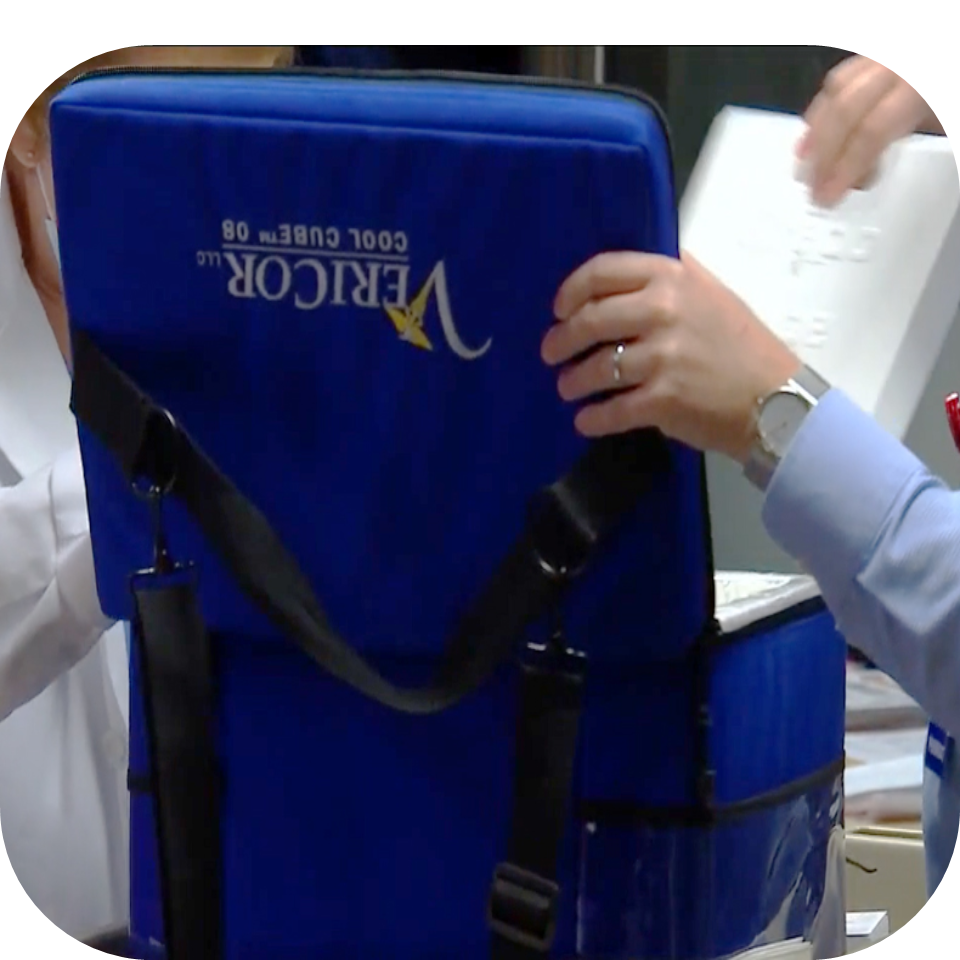
Explore the Cool Cube™ Medical Cooler Collection
Whether you transport vaccines, laboratory specimens, blood products, medications, biologics, or other temperature-sensitive healthcare materials, selecting the right transport system is an important part of protecting product integrity.
Explore the complete family of Cool Cube™ passive medical transport systems to learn how temperature-specific PCM technology, validated performance, and standardized transport procedures simplify your cold chain process.
References
- Centers for Disease Control and Prevention. Vaccine Storage and Handling Toolkit. https://www.cdc.gov/vaccines/hcp/storage-handling/index.html
- Centers for Disease Control and Prevention. General Best Practice Guidelines for Immunization: Storage and Handling of Immunobiologics. https://www.cdc.gov/vaccines/hcp/imz-best-practices/storage-handling-immunobiologics.html
- World Health Organization. Temperature-sensitive Health Products: Technical Supplement Series. https://www.who.int/publications/i/item/9789240013854


