

IN THIS BI-WEEKLY ISSUE
🏥 See You at the AIM Conference in Tampa
🆒 Plan for the Delay, Not Just the Drive
⌛ Put the System Back in Ready Condition
🦺 Need More Patient Beds? Start Here
NEWS • RESOURCES • TIPS
SEE YOU AT THE AIM CONFERENCE IN TAMPA
Meet VeriCor for Ice Cream December 1-3
We’re bringing a little Wisconsin with us to the 2026 AIM Leadership in Action Conference. Our frozen-temperature Cool Cube™ is making the trip to Tampa, and we’ll be serving ice cream from it at Booth 15.
Stop by for ice cream, see the Cool Cube™ in action, and meet the people behind VeriCor. If Cool Cube™ is already part of your immunization program, we’d especially like to put a face with the name and hear how you use it.
COLD CHAIN & EMERGENCY PREPAREDNESS
COOL CUBE™ SPOTLIGHT

Plan for the Delay, Not Just the Drive
A two-hour route rarely means only two hours outside controlled storage. Loading, handoffs, staging, traffic, schedule changes, and unexpected delays all add to the time a payload spends in transit.
Start Cool Cube™ selection with the required temperature range, packed payload, and total time away from controlled storage, including realistic delay time. Matching the configuration to the full trip gives the transport plan room for what actually happens between departure and delivery.
RESPONSE-FRIENDLY™ REPLENISHMENT SERVICES
Put the System Back in Ready Condition
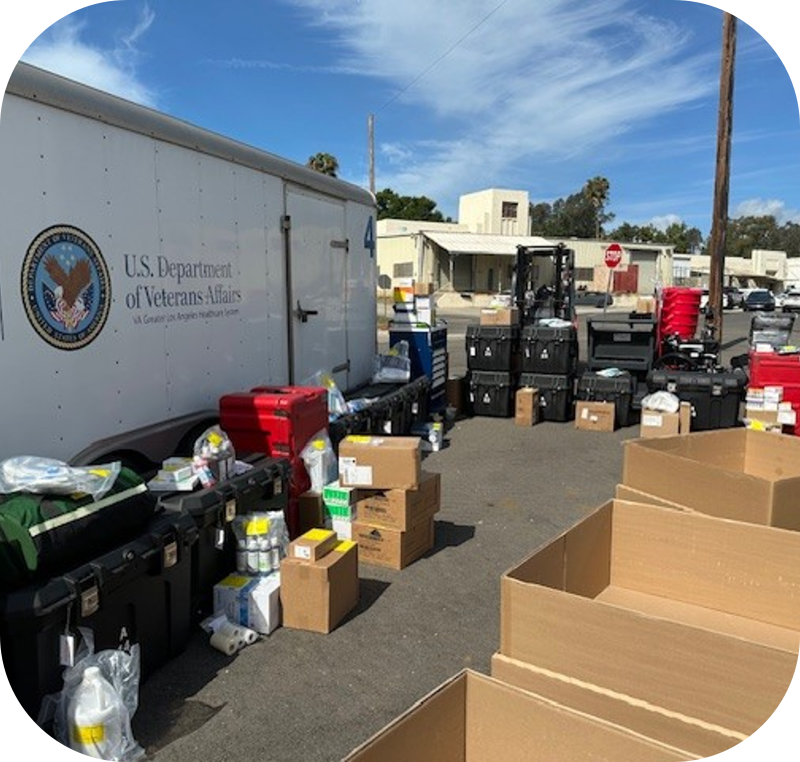
After an exercise, activation, or inventory review, someone has to account for what was used, what expired, and what needs replacement. VeriCor Replenishment Services replace consumed or expired supplies so Response-Friendly™ Systems return to ready condition.
A defined replenishment process protects the organization already built into the system. Stored preparedness assets stay usable for the next activation instead of accumulating missing or expired inventory over time.
MOBILE BEDS & ROLLING RACKS
Need More Patient Beds? Start Here
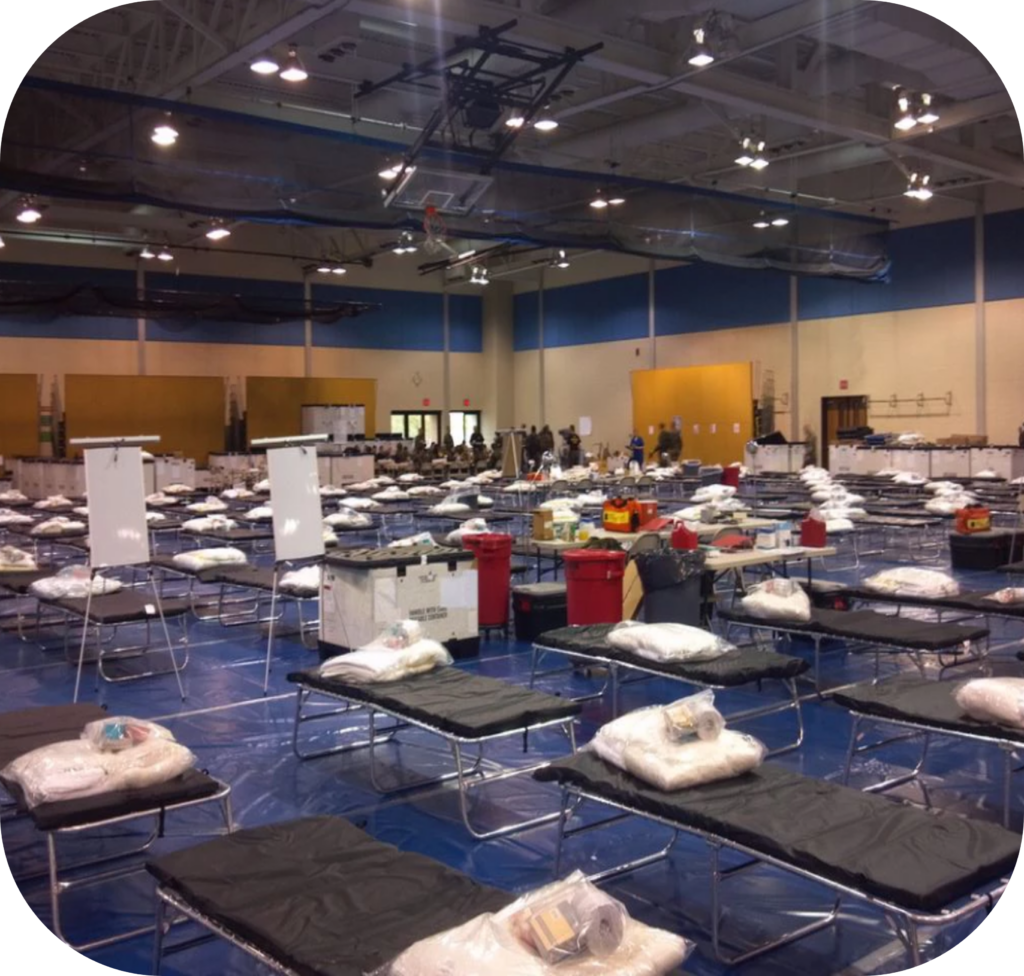
Patient demand can rise faster than permanent space allows. VeriCor offers portable beds and rolling racks for surge operations, alternate care environments, shelters, and emergency preparedness.
These assets give teams a practical way to add temporary patient-care capacity, move beds where they are needed, and organize them for storage between deployments. When the plan calls for more beds, the supporting infrastructure has to be ready too.


